Mastering the Pickleball Queen SVG Cut File for Professional DIY Results
The rise of pickleball has transformed from a backyard pastime into a cultural phenomenon, creating a massive demand for themed merchandise. For creators, entrepreneurs, and hobbyists, the Pickleball Queen SVG Cut File represents more than just a digital download; it is a versatile asset for building a product line or crafting personalized gifts. However, possessing the file is only the first step. The difference between a amateur-looking project and a professional-grade item often lies in understanding how to properly prepare, scale, and apply vector graphics to various materials.
Many beginners rush into cutting without verifying file integrity or material compatibility, leading to wasted vinyl, frustrated customers, and ruined substrates. By addressing common pitfalls early, you can ensure that your designs translate perfectly from screen to physical product, whether you are making t-shirts, wood signs, or custom tumblers.
Understanding Vector Integrity and File Formats
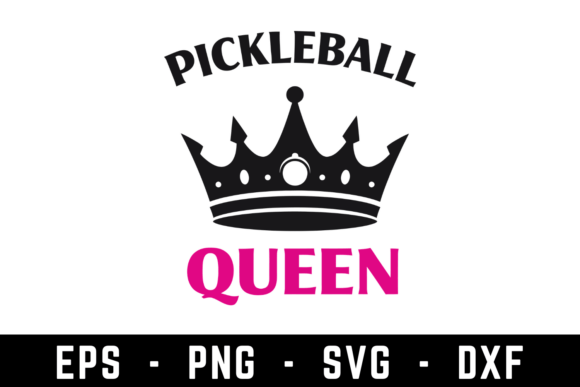
One of the most frequent misunderstandings involves the difference between raster and vector images. The Pickleball Queen SVG is provided in multiple formats, including SVG, PNG, EPS, and DXF. A common mistake is using the PNG file for cutting machines when a vector format is available. PNGs are pixel-based; if you scale them up for a large wood sign, they become jagged and blurry. SVG, EPS, and DXF files are vector-based, meaning they use mathematical paths that remain crisp at any size.
Why this matters: Using a raster image for cutting forces your machine to interpret pixels as cut lines, resulting in rough edges and excessive weeding time. For clean, professional cuts on vinyl or cardstock, always prioritize the SVG or DXF formats. Reserve the PNG for sublimation printing or direct-to-garment applications where scaling is not required beyond its original resolution.
Before starting any project, open the SVG in your design software (such as Cricut Design Space, Silhouette Studio, or Adobe Illustrator) to inspect the nodes. Ensure there are no stray points or overlapping paths that could cause the blade to cut unnecessarily. A clean file saves time and extends the life of your cutting blades.
Material Selection and Design Complexity
Another area where creators often stumble is matching design complexity to the chosen material. The "Pickleball Queen" design may feature intricate details, such as fine lettering or decorative elements around the crown or paddle. While these details look stunning on paper, they can be problematic when applied to certain surfaces.
- Vinyl Decals: Intricate designs require high-quality, premium vinyl. Cheap vinyl tends to tear during weeding, especially around small text. If your design has thin lines, consider simplifying the vector slightly or using a specialized fine-point blade.
- Heat Transfer Vinyl (HTV): When creating T-shirts, remember that HTV behaves differently than adhesive vinyl. Small, isolated pieces can peel off after washing if not properly pressed. Ensure that all elements of the Svg Cut File are connected or adequately spaced to maintain adhesion.
- Wood Signs: Wood grain can interfere with adhesion. For rustic looks, this is desirable, but for clean lines, you may need to sand the surface thoroughly or use a transfer tape with stronger tack.
A practical approach is to test cut a small section of the design on a scrap piece of your intended material. This "proof of concept" step prevents ruining an entire blank t-shirt or expensive tumbler due to poor adhesion or cutting depth issues.
Scaling and Proportion Mistakes
Scalability is the primary advantage of SVG files, but it is also a source of error. Users often resize the Pickleball Queen SVG without maintaining the aspect ratio, distorting the image. A stretched crown or warped paddle looks unprofessional and detracts from the design's appeal.
Always lock the aspect ratio when resizing. Additionally, consider the end-use context. A design that looks balanced on a mug might appear too small on a tote bag or too crowded on a ornament. Measure your physical item first. For example, standard tumblers usually accommodate designs between 7.5 to 8 inches in height, while adult T-shirts typically look best with chest prints ranging from 10 to 12 inches wide. Planning dimensions before cutting ensures a balanced aesthetic.
Technical Preparation: Unzipping and Software Compatibility
Upon purchase, you will receive a ZIP folder containing the various file formats. A surprising number of users encounter issues simply because they do not know how to access the contents. Trying to upload the ZIP file directly to cutting software will result in errors. You must extract the files first.
To unzip the files, you will need software such as WinZip or 7-Zip. You can download this software for free from their websites. Once you have installed the software, right-click on the zip file and select “Extract All” or “Extract Here”. You will then see the individual SVG, PNG, EPS, and DXF files in a folder. Keep these files organized in a dedicated digital library. Losing track of purchased assets leads to redundant purchases and disorganized workflows.
Furthermore, ensure your cutting machine’s software is updated. Older versions of Silhouette Studio, for instance, may not open SVG files without a paid upgrade, whereas DXF files are universally compatible. Knowing which format works with your specific software version saves significant troubleshooting time.
Commercial Use and Brand Consistency
For small business owners and entrepreneurs, the Pickleball Queen Svg Cut File is a valuable addition to a handmade product line. However, it is crucial to review the license terms associated with the download. Most designers allow commercial use for physical products, but restrictions may apply to digital resale or mass production limits.
Beyond legalities, consider brand consistency. If you are selling pickleball-themed gear, ensure that the font and style of the SVG match your other products. Mixing overly ornate scripts with modern sans-serifs can confuse your brand identity. Use the versatility of the SVG to customize colors and layers, aligning the design with your shop’s aesthetic. For example, you might create a pastel version for spring collections and a bold, high-contrast version for tournament merchandise.
Final Checks Before Production
Before committing to a full production run, perform a final quality check. Verify that all layers are correctly assigned in your design software. If you are using multiple colors of vinyl, ensure the registration marks align. For heat press projects, confirm the temperature and time settings for your specific HTV brand, as these vary widely.
By treating the Pickleball Queen SVG as a professional tool rather than a simple clipart image, you elevate the quality of your output. Attention to file format, material compatibility, scaling, and technical preparation transforms a basic digital download into a high-value physical product. Whether you are crafting for friends or building a business, these practices ensure durability, aesthetic appeal, and customer satisfaction.