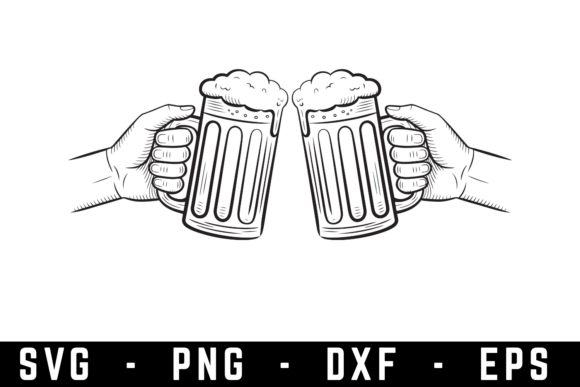
Streamlining Your Creative Workflow with Beer Glasses SVG Cut Files
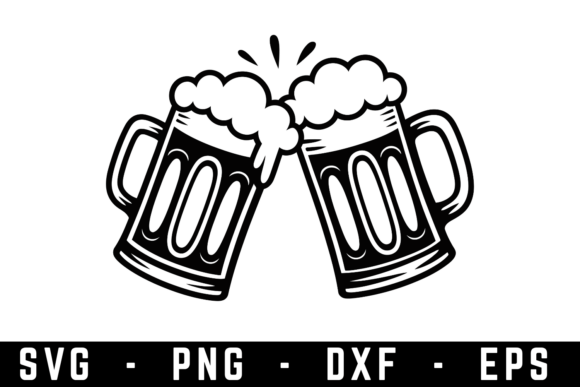
In the landscape of modern digital crafting and small business production, efficiency is not just a buzzword; it is the backbone of profitability and creative satisfaction. Whether you are a hobbyist looking to personalize gifts or an entrepreneur scaling a handmade product line, the assets you choose to integrate into your workflow dictate the speed and quality of your output. The Beer Glasses SVG cut file represents more than just a graphic design element; it is a versatile component that fits seamlessly into a broader production process, bridging the gap between digital planning and physical creation.
When discussing the integration of vector assets like beer glass designs, we must look beyond the aesthetic appeal and consider the operational lifecycle of a project. From the initial concept phase to the final application on a substrate, these files serve as the foundational blueprint for execution. Understanding how to leverage these assets effectively requires a shift in mindset from simply "downloading a picture" to managing a digital resource that interacts with various hardware and software ecosystems.
Strategic Planning and Asset Selection
The journey begins long before the cutting machine hums to life. It starts with strategic planning and the selection of the right digital assets. A high-quality Beer Glasses SVG is characterized by clean paths, optimized nodes, and scalability. In a professional workflow, time spent vetting assets pays dividends during production. Unlike raster images that lose resolution when enlarged, SVG (Scalable Vector Graphics) files maintain crisp edges regardless of size, making them ideal for diverse applications ranging from small coaster decals to large wooden bar signs.
For creators managing multiple product lines, organization is paramount. When you acquire a ZIP folder containing formats like SVG, PNG, EPS, and DXF, the immediate task is proper digital asset management. Extracting these files using tools like WinZip or 7-Zip is the first technical step, but the real value lies in how you catalog them. Establishing a consistent naming convention and folder structure ensures that when a client requests a custom beer-themed tumbler or a party decoration, you can locate the specific cut file instantly. This reduces friction in the workflow and minimizes the risk of using outdated or incorrect versions of a design.
Compatibility Across Software and Hardware Ecosystems
A robust creative workflow relies on interoperability. The beauty of having a multi-format package (SVG, PNG, EPS, DXF) is the ability to adapt to different software environments without compromising quality. If your primary design tool is Silhouette Studio, the DXF format often provides the necessary compatibility for basic editions, while the SVG format is universally supported in Cricut Design Space, Adobe Illustrator, CorelDRAW, and Inkscape.
This flexibility allows professionals to switch between platforms based on the specific requirements of a project. For instance, you might use Adobe Illustrator to modify the Beer Glasses SVG by adding custom text or integrating it into a larger composite design for a marketing campaign. Conversely, for rapid prototyping on a vinyl cutter, importing the native SVG directly into the machine's proprietary software streamlines the process. Understanding these compatibilities prevents bottlenecks. It ensures that the transition from screen to machine is smooth, reducing material waste caused by formatting errors or misaligned cuts.
Optimizing the Production Phase
Once the file is imported and prepared, the focus shifts to the physical execution. This is where the theoretical planning meets tangible results. The versatility of the beer glass motif allows it to fit into various stages of a production run. Before starting a batch, it is crucial to perform a test cut. This quality control step verifies that the intricate details of the glass handle or the foam head render correctly on your specific material, whether it is heat transfer vinyl (HTV), adhesive vinyl, or cardstock.
During the cutting process, efficiency is driven by material layout. Nesting multiple instances of the SVG cut file on a single mat maximizes material usage and reduces machine run time. For small business owners, this optimization directly impacts the bottom line. Furthermore, the consistency provided by vector files ensures that every unit produced—from the first mug to the hundredth—looks identical. This uniformity is essential for brand integrity, especially when fulfilling bulk orders for events, breweries, or corporate gifts.
Diverse Application Scenarios
The true power of a well-designed asset lies in its adaptability across different mediums. A single Beer Glasses SVG can be the core element of a diversified product strategy. Consider the following implementation scenarios:
- Apparel Customization: Using HTV, the design can be applied to t-shirts and tank tops for brewery tours, bachelor parties, or casual wear. The scalability of the SVG ensures the graphic looks sharp on both chest logos and full-back prints.
- Hard Surface Decoration: Adhesive vinyl cuts are perfect for tumblers, mugs, and growlers. These items have high perceived value and are popular sellers in the handmade market. The durability of the vinyl, combined with the precision of the cut, ensures longevity even after washing.
- Home Décor and Signage: Wood signs and canvas art benefit from the clean lines of vector graphics. Whether stenciling paint or applying layered vinyl, the file serves as a precise template that eliminates guesswork.
- Paper Crafts and Event Styling: For party planners and educators, the PNG or SVG formats can be used to create invitations, cupcake toppers, and banners. The ability to quickly resize the graphic for different paper goods accelerates the preparation for events.
Each of these applications requires a slightly different approach to material selection and finishing techniques, but the source asset remains constant. This centralization simplifies inventory management and allows creators to pivot quickly between product types based on market demand or seasonal trends.
Post-Production and Quality Assurance
The workflow does not end when the machine stops cutting. Post-production processes such as weeding, pressing, and sealing are critical for the final outcome. With complex designs like beer glasses, which may include fine lines representing liquid levels or glass reflections, careful weeding is essential. Using high-quality tools and taking the time to remove excess material properly prevents peeling and ensures a professional finish.
For items intended for frequent use, such as drinkware, applying a sealant or epoxy resin can protect the design from abrasion and moisture. This step adds value to the product and enhances customer satisfaction. In a business context, documenting these post-production steps creates a standard operating procedure (SOP). This documentation is invaluable if you decide to scale your operation and hire assistance, ensuring that the quality of the SVG cut file application remains consistent regardless of who is performing the labor.
Long-Term Value and Scalability
Investing in premium digital assets like the Beer Glasses SVG cut file is a decision that yields long-term returns. Unlike one-off purchases that serve a single purpose, these files become part of your permanent creative library. As your skills evolve and your equipment upgrades, the utility of these vectors remains unchanged. They can be repurposed for new campaigns, combined with other elements to create unique collections, or licensed for specific uses if your business model expands.
Moreover, maintaining a library of organized, high-quality files fosters creativity. When inspiration strikes, having immediate access to ready-to-use assets allows you to capitalize on trends quickly. In the fast-paced world of social media and e-commerce, the ability to prototype and launch a new design within hours can be a significant competitive advantage. The time saved on drafting designs from scratch can be redirected toward marketing, customer engagement, and strategic growth.
Ultimately, the integration of digital cut files into your workflow is about building a sustainable system. It is about recognizing that every file downloaded is a tool that, when used correctly, enhances efficiency, ensures quality, and expands creative possibilities. By treating these assets with the same level of care and planning as your physical tools, you create a harmonious balance between digital precision and handmade charm, driving success in both personal projects and commercial ventures.